Dive sites, schools and underwater experiences in Grand Turk
Last updated:
Grand Turk scuba diving offers some of the Caribbean's most spectacular underwater experiences. This small island sits directly over the Grand Turk Wall, a dramatic underwater cliff. Divers descend quickly to incredible depths without traveling far from shore. The wall creates unique diving conditions that attract divers from around the world. You will find pristine coral reefs, abundant marine life, and exceptional visibility. Grand Turk's diving reputation rivals destinations twice its size.
The island measures just 18 square kilometers but punches above its weight underwater. A population of 6,000 keeps the island quiet and underdeveloped. This preserves the marine environment and keeps dive sites less crowded. You can drive across the entire island in minutes. The simplicity of Grand Turk makes diving here remarkably accessible and stress free.
Best Dive Sites in Grand Turk
✓Best forexperienced diversintermediate diversbeginners with instruction
The Grand Turk Wall dominates the island's dive scene. This underwater formation starts in shallow water and drops thousands of feet. Most divers explore the wall between 40 and 100 feet deep. The wall features caves, overhangs, and swim-throughs. You will see rays cruising along the edge and pelagic fish in the blue. The wall runs along the entire west coast of the island.
Gibbs Cay represents one of the most famous dive sites on the island. Located near the island's north end, this spot attracts divers of all levels. The reef features excellent coral formations and healthy fish populations. Visibility consistently reaches 100 feet or more. You will encounter grouper, snappers, and large schools of jacks. The site has calm conditions and moderate current on most days.
South Point delivers dramatic wall diving with exceptional depth and life. This southern location drops quickly to 60 feet and beyond. Large pelagic fish patrol the blue water. You might spot reef sharks and eagle rays. The site suits experienced divers who feel comfortable at depth. Currents can run strong, so check conditions before diving.
Turk's Head Reef sits on the island's southern tip. This pinnacle formation rises from deep water and reaches shallow depths. The diverse terrain includes caves and coral heads. Small fish congregate around the structures. The site works well for intermediate and advanced divers. Currents can be unpredictable, requiring proper planning and experience.
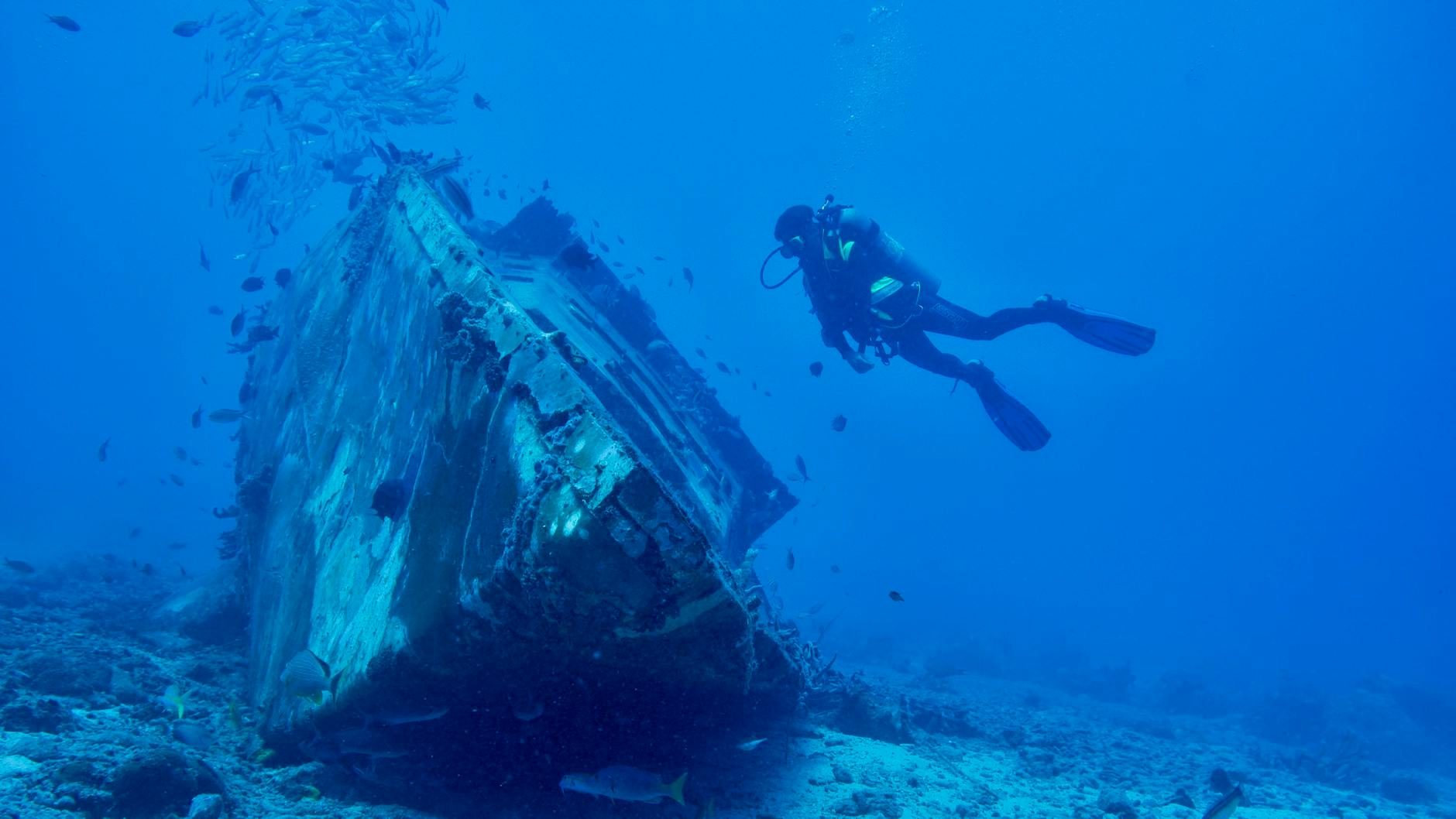
Library Reef takes its name from nearby shipwrecks and debris. This site features scattered coral heads and sandy areas. The depth ranges from 40 to 80 feet depending on your route. You will find groupers, snappers, and tropical fish. The site offers excellent photography opportunities. Beginners can safely dive here with proper instruction.
PRO TIP: </strong>Book your dives for early morning when visibility is best and water is calmest. Most dive operators depart around 8 AM. Afternoon winds can reduce visibility and increase chop.<strong>
Scuba Diving for Beginners in Grand Turk
Scuba Diving for Beginners in Grand Turk
✓Best fornew diverscertification studentsdivers building confidence
Grand Turk welcomes beginner divers with excellent conditions and professional instruction. Shallow reef dives occur within minutes of the beach. You can complete your first dive in water just 30 to 40 feet deep. The absence of strong currents makes most sites forgiving for new divers. Dive operators maintain strict safety standards and keep groups small.
Obtaining your PADI certification is straightforward on Grand Turk. Most dive shops offer the Open Water Certification course. The course takes three to four days and includes classroom work and confined water training. Instructors teach in small groups, usually four students maximum. The cost varies by operator, but expect to budget appropriately for comprehensive training.
Training dives occur at protected sites away from the wall edge. You will practice essential skills in controlled conditions. Instructors move at your pace and never rush. The water temperature around 27.9°C means you need only a light wetsuit. Excellent visibility allows you to see the seafloor and your instructor clearly. These conditions build confidence quickly.
Buddy diving with an experienced diver is highly recommended for new divers. Most operators pair beginners with dive masters or experienced divers. Your buddy provides guidance and demonstrates proper techniques. This system creates a supportive environment for learning. You will develop good habits from the start of your diving career.
Plan to do several dives before attempting the wall. Shallow reef dives help you master buoyancy control and breathing. Once comfortable, you can venture to intermediate depths. Progressing gradually ensures you build skills safely. Many beginners feel ready for wall dives after just four or five dives on reefs.
Snorkeling in Grand Turk
✓Best forfamiliesnon-diversyounger childrenpeople who prefer surface exploration
Grand Turk offers exceptional snorkeling for those who prefer staying at the surface. The reefs start in shallow water and extend outward. You can snorkel from the beach in many locations. Visibility remains excellent even in shallow zones. You will see colorful fish, sea turtles, and healthy coral formations.
Gibbs Cay provides excellent snorkeling alongside diving. The shallow areas around the reef support abundant marine life. School Rock, a separate snorkeling site, sits in very shallow water. Families with children enjoy this location. Sea turtles frequently visit the shallow grass beds. Snorkeling trips last 2 to 3 hours typically.
The Beach at Grand Turk Village offers easy access to snorkeling. You can walk directly into the water from the shore. The reef begins just 50 yards from the beach. Colorful parrotfish, surgeonfish, and wrasses populate the shallows. This location works perfectly for casual snorkeling without a formal tour.
Snorkeling with a guide increases your experience quality. Guides know where marine life congregates. They can identify species and explain reef ecology. Many guides protect the reef by keeping snorkelers from touching coral. Tours typically include 2 to 3 snorkel sites. Expect to spend 4 to 5 hours on the water total.
Bring your own gear or rent from local shops. Rental equipment is readily available near the dock area. A good snorkel mask prevents water leakage and fog. Bring reef-safe sunscreen without harmful chemicals. Wear a rash guard to protect your skin from sun and coral scrapes. These simple precautions enhance your snorkeling experience significantly.
PRO TIP: </strong>Snorkel in shallow areas during early morning. Fish are more active before midday. You will also have fewer tour groups at this time, making the experience more peaceful.<strong>
Dive Schools and Operators
Dive Schools and Operators
✓Best forall divers seeking professional instruction and guided experiences
Grand Turk hosts several professional dive operators. These shops offer rentals, certifications, and guided dives. Most operators are PADI affiliated and maintain high safety standards. Instructors possess extensive experience diving the local sites. Shops provide equipment servicing and maintenance. You can arrange dives through your hotel or directly at the dock.
Sea Eye Diving operates from the central waterfront area. This operator specializes in wall dives and reef exploration. They maintain modern equipment and small group sizes. The shop offers PADI courses and daily dive trips. Instructors speak English and communicate clearly. Reviews consistently praise their professionalism and attention to detail.
Blue Water Divers serves the north end of the island. This operator focuses on personalized attention and custom itineraries. They offer both guided dives and independent diver services. The shop rents equipment and provides gear servicing. Divers appreciate their knowledge of local conditions and currents. Their boats are well maintained and equipped with safety gear.
Oasis Divers provides comprehensive diving services from multiple locations. This operator offers dive packages combining multiple days of diving. They arrange accommodations and diving together for convenience. Professional instructors teach all certification levels. The company maintains excellent safety records and modern equipment. Booking in advance typically provides better rates.
When selecting an operator, ask about group sizes and instructor credentials. Confirm equipment condition and maintenance schedules. Inquire about safety protocols and emergency procedures. Request references from recent divers. Check for current certifications and insurance. Taking time to choose the right operator ensures a safer, better experience.
Prices for dives vary but expect to budget for each activity separately. A single guided dive typically costs between 50 and 100 USD per person. Certification courses require investment but provide lifetime diving skills. Rental equipment adds to overall costs. Multiple dive packages sometimes offer better value. Always confirm what is included before committing to a booking.
What You Will See Underwater
✓Best formarine life enthusiastsphotographerscurious explorers
Grand Turk's underwater world rivals any Caribbean destination. Healthy coral formations dominate the reefs. You will see elkhorn coral, brain coral, and staghorn coral. These structures provide habitat for hundreds of fish species. The coral gardens showcase nature's architectural diversity and complexity.
Fish populations remain abundant and diverse. Groupers, snappers, and jacks school together. Parrotfish graze on algae and create sand. Wrasses dart between coral branches hunting small prey. Goatfish probe the seafloor for food. Spotted eagle rays glide through the water with grace. Reef sharks patrol the deeper areas of the wall. You might spot hammerheads or silky sharks in deeper water.
Sea turtles visit Grand Turk regularly. Green turtles and hawksbill turtles forage on seagrass and reef. These ancient reptiles move slowly and allow close observation. Swimming near a turtle creates unforgettable memories. Never chase or touch turtles, as this stresses them. Observe from a distance and let turtles set the pace of interaction.
Octopuses hide in reef crevices during the day. These intelligent creatures change color to match their surroundings. Patient observation reveals their hunting behavior. Moray eels peek from holes and crevices. They look fierce but remain calm around divers. Sea urchins cling to rocks and coral. Brittle stars and sea stars cover the reef floor. Night dives reveal nocturnal species like squirrelfish and cardinalfish.
Sponges come in spectacular shapes and colors. Barrel sponges tower like skyscrapers. Tube sponges create underwater forests. Purple sponges, yellow sponges, and orange sponges paint the reef. Sea fans wave gently in the current. Soft corals sway and bend. The color variety astounds even experienced divers. Photography opportunities exist at every depth and location.
PRO TIP: </strong>Bring a underwater camera or GoPro to capture memories. Grand Turk's visibility and marine life create exceptional photo opportunities. Wide-angle lenses work best for reef shots. Macro lenses reveal tiny creatures on coral heads.<strong>
Best Time To Dive in Grand Turk
Best Time To Dive in Grand Turk
✓Best forall divers seeking optimal conditions and comfortable weather
December through May represents the best diving season on Grand Turk. During these months, water temperatures stay warm at 27.9°C. Winds remain lighter and seas calmer. Visibility often exceeds 100 feet. Rain showers occur less frequently than in summer months. Hotel rooms and dive packages are more available during shoulder months like April and May.
December brings excellent conditions as the winter winds settle. The holiday season attracts more visitors and higher prices. January and February remain dry with calm seas. These months offer the most consistent weather. Visibility is exceptional with calm waters. Expect moderate prices and full schedules at dive shops. Book accommodations well in advance for these popular months.
March and April provide value pricing and fewer crowds. Weather remains stable with occasional rain showers. Water conditions rival peak season months. Winds pick up slightly but rarely prevent diving. Hotels offer better rates during these shoulder months. Dive operators maintain regular schedules with smaller groups. These months represent excellent times for budget conscious divers.
May closes the optimal season as early summer approaches. Conditions remain favorable but winds start increasing. Occasional rain becomes more common. Prices drop further as summer approaches. Fewer tourists visit at this time, creating a more local experience. Dive sites are less crowded even during peak hours. Serious divers appreciate the solitude and value.
June through November brings the Atlantic hurricane season. Sea conditions deteriorate with higher winds and waves. Visibility decreases due to increased plankton and sediment. Some dive operators reduce schedules or close temporarily. Water temperatures warm to uncomfortable levels. Insurance issues sometimes complicate dive travel during these months. Plan your Grand Turk visit during the December to May window.
Frequently Asked Questions
Do I Need a Visa To Visit Grand Turk for Diving?
No, most nationalities enter Grand Turk visa free. Check your country's specific visa requirements before booking. Entry follows Turks and Caicos Islands immigration policy. Bring a valid passport good for at least six months. Citizens of most countries receive 30 days visa free entry. Contact your nearest Turks and Caicos Islands embassy for specific questions about your citizenship.
What Certifications Do I Need To Dive in Grand Turk?
Open Water certification is the minimum requirement for recreational diving. This PADI certification allows diving to 40 meters depth. You can obtain this certification in 3 to 4 days on the island. Advanced certifications open deeper wall diving opportunities. Specialty certifications in navigation and deep diving enhance your skills. All certifications must come from recognized training organizations like PADI or SSI.
How Much Does Grand Turk Scuba Diving Cost?
Single guided dives typically range from 50 to 100 USD per person. Certification courses require additional investment for classroom and training materials. Equipment rental adds 10 to 20 USD per dive. Lodging packages sometimes bundle diving with accommodations. Multiple dive packages offer better per dive rates. Contact operators directly for current pricing. Prices vary seasonally with summer offering lower rates than winter.
What Marine Life Might I Encounter While Diving?
Grand Turk diving reveals tropical fish, sea turtles, rays, and reef sharks. Groupers, snappers, and jacks school together on the reef. Eagle rays and manta rays occasionally visit. Reef sharks patrol deeper sections of the wall. Sea turtles graze on seagrass and reef. Octopuses hide in crevices. Moray eels peek from holes. Coral formations and sponges create spectacular backdrops. Night dives reveal nocturnal creatures like squirrelfish.
Is Grand Turk Diving Safe for Beginners?
Yes, Grand Turk offers ideal conditions for beginning divers. Shallow reef dives keep new divers in safe depths. Water temperature remains warm and comfortable. Visibility exceeds 100 feet, allowing clear observation of everything. Dive operators maintain small group sizes. Instructors provide personalized attention. Currents are generally mild at beginner sites. Excellent equipment and strict safety protocols protect all divers. Many beginners complete their certification and first dives comfortably on Grand Turk.